
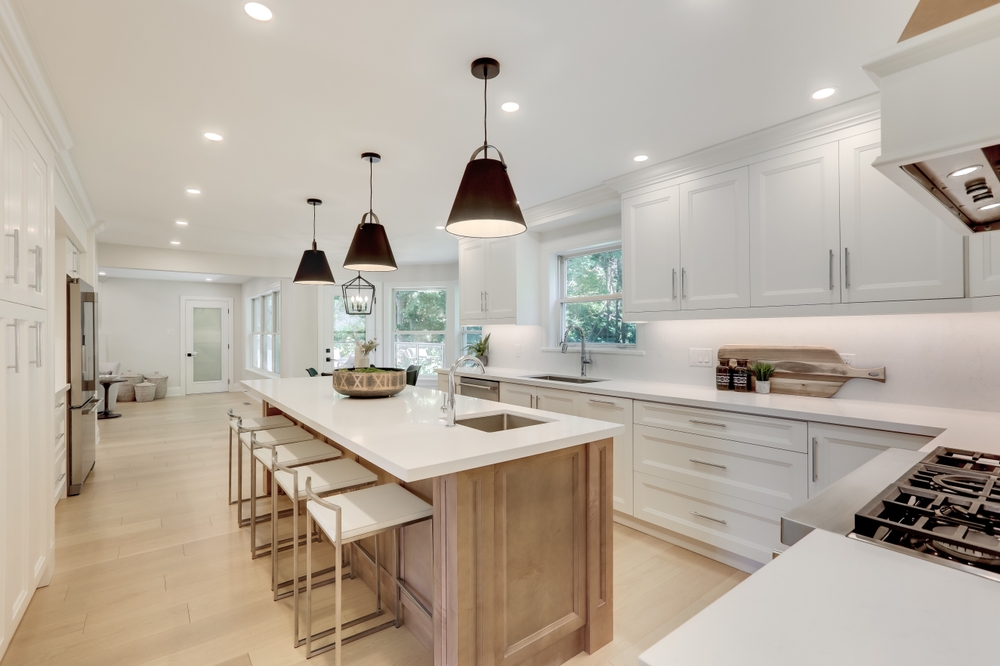
Kitchen lighting is just as important as your cabinets and appliances.
Effective kitchen lighting not only illuminates the heart of your home, but it also affects the ambience and mood, whether super-modern or classic country.
If you’re wondering how to design kitchen lighting, this guide will help you create the perfect kitchen lighting plan for your available space.
How to Design Kitchen Lighting
Whether you’re installing a brand-new modern kitchen or simply upgrading your existing set-up, lighting is super important. The kitchen is often the busiest room in the home, and it’s never needed to be so flexible due to the rise of open-plan spaces and home working.
The first stage of kitchen lighting design is to determine which kind of lighting works best in each section. For instance, food prep zones, countertops, cooking hobs and sinks usually require bright task lighting that’s clean and shadow-free. On the other hand, dining spaces and breakfast bars are better suited to mood and accent lights that create a relaxed, calming atmosphere.
In general, most kitchens feature a variety of different lighting for specific areas. Three common types are:
Task Lighting
Task lighting should be bright and shadow-free, providing maximum illumination for key work zones such as the kitchen sink, cooker and countertops.
Standard solutions for task lighting include under-cabinet lighting, kitchen island pendant lights and LED strip lights.
Ambient Lighting
Ambient lighting is usually the primary source of lighting in a kitchen. It covers the entire kitchen area, providing general illumination for comfort and visibility.
You’ll find a wide range of ambient lighting options, though typical examples include pendant fixtures, recessed downlights and statement chandeliers.
Accent Lighting
This is a type of specific lighting that adds dramatic visual impact to standout features like artwork, kitchen splashbacks or open shelving.
Common examples of accent lighting include spotlights, wall sconces, track lighting and strip lighting – each drawing attention to a specific feature in the room.
Ultimately, lighting is instrumental in transforming how we function and interact. Bad kitchen lighting usually results from using just one type of light or the wrong kind for the desired task. Luckily, there are some general rules to help you avoid making mistakes.
What Things Should I Consider When Designing Kitchen Lighting?
Your kitchen footprint should determine the position of your lights. For example, a large kitchen layout may require a different lighting approach than a traditional shaker kitchen.
A solid kitchen lighting plan usually starts with the placement of key elements such as the sink, hob, and island to ensure each area receives adequate illumination. Make the most of natural light by incorporating well-placed windows or skylights, which can significantly enhance daytime ambient lighting.
Next, pinpoint zones that need dedicated task lighting – whether it’s the food prep area on your worktop or around the sink. Select lighting styles and fixtures that brighten these spots effectively and allow you to work safely.
Finally, think about the atmosphere you want to create. Whether you envisage a bright, open feel or a softer, more intimate mood, your choice of lighting types and colour themes will shape the overall character of the room. That means a stylish sage green kitchen probably needs a distinct lighting plan when compared to a modern cottage kitchen.
Here are some great kitchen lighting ideas to get you started.
6 Great Kitchen Lighting Plan Ideas
There’s no universal answer to the number of lights your kitchen needs. It depends on several factors, including the room’s layout, structure, and how much natural light already enters the space.
The following ideas show you how to design kitchen lighting in ways that are both functional and aesthetically pleasing.
1. Smart Lighting
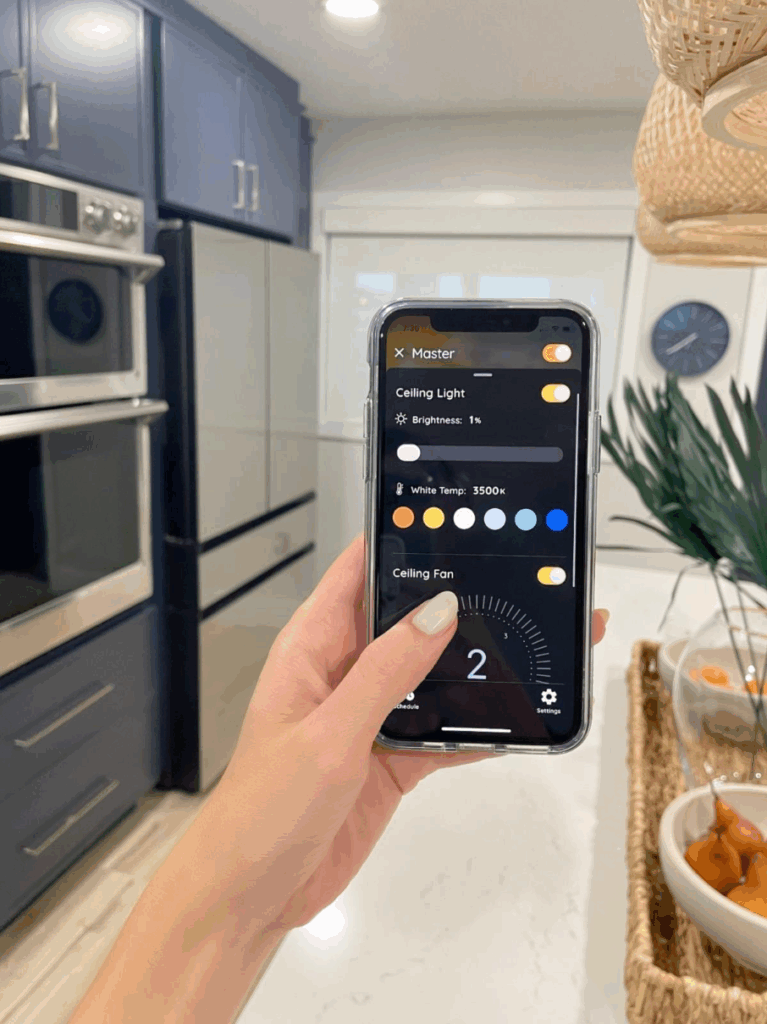
Modern smart lighting systems let you fine-tune your kitchen lighting to create the perfect atmosphere. It allows you to control your light from your smartphone, whether adjusting brightness, using motion-activated sensors or controlling individual fixtures.
Smart lighting technology is often powered by energy-efficient LED bulbs. It offers added convenience, lower energy consumption, improved home security, and the flexibility to create personalised lighting scenes.
2. Pendant Lighting
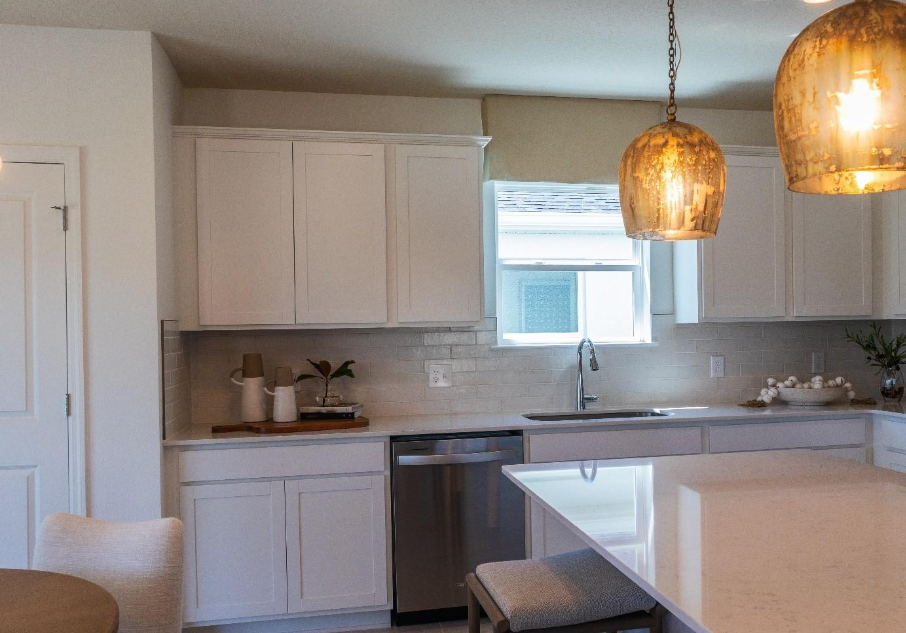
A cluster of elegant pendant lights – or a single striking feature piece – above your dining table or kitchen island helps to separate your dining area from your cooking space. With countless styles, colours, and materials to choose from, you can express your personality and create a distinctive look.
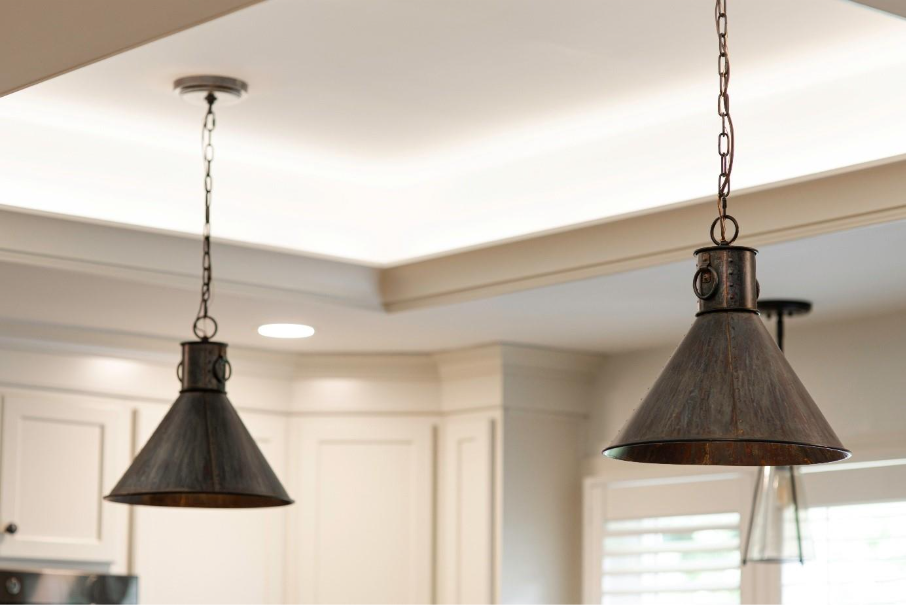
Consider industrial-style metal fittings for dramatic effect, or ceramic and glass shades in soft, translucent tones. Warm colours remain a favourite, but bold shades are often used to inject accent colour into your kitchen. Hang pendant lights low for a cosy, intimate feel or position them higher for a broader wash of light.
3. Cabinet Lighting
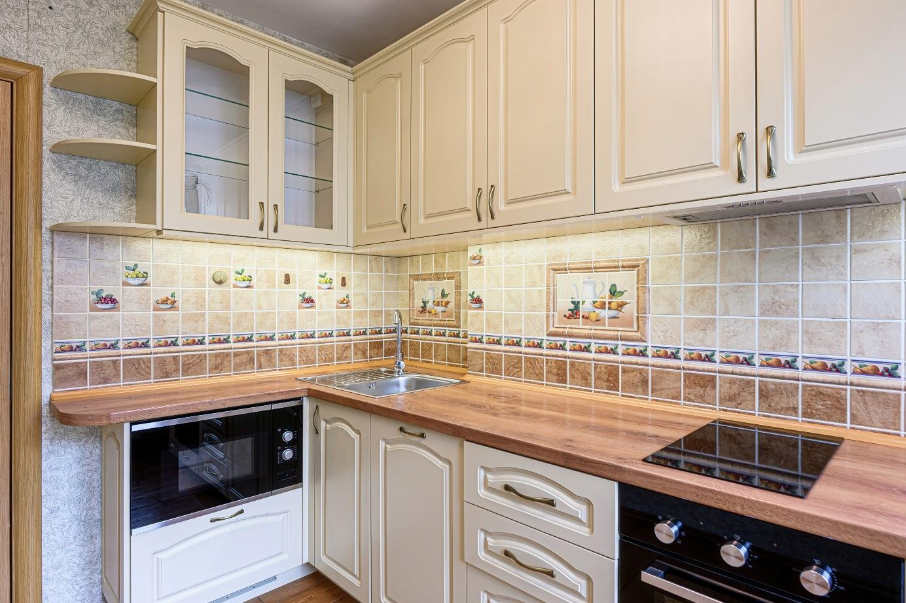
Integrated cabinet lighting beautifully frames your kitchen workspaces while providing ample illumination in important task areas. It provides a functional solution for activities like cooking and cleaning, while also enhancing the general ambience.
Opt for colour-changing LEDs to match the mood and theme of your kitchen or choose bright white lighting to provide practical illumination for prepping and cooking. Cabinet lighting comes in various forms and is designed to be discreet and energy efficient.
4. Kitchen Island Lighting
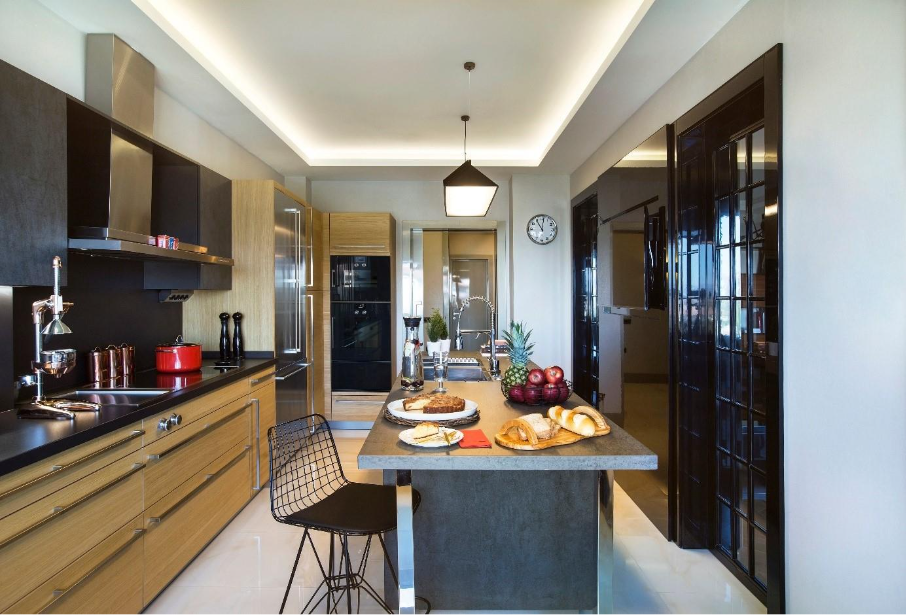
Kitchen islands are multi-purpose, whether chopping vegetables and food prep or used as a focal point for cooking and socialising. Therefore, kitchen islands require versatile lighting to match their practicality and design.
Consider a single large pendant light or a trio of medium-sized pendants above the island for strong, even illumination. Complement these with spotlights to brighten every corner, ensuring the space is practical for tasks. For added flexibility, place your pendant lights on a dimmer switch, allowing you to shift from bright, functional lighting to a softer, more ambient glow when entertaining.
5. Spotlights
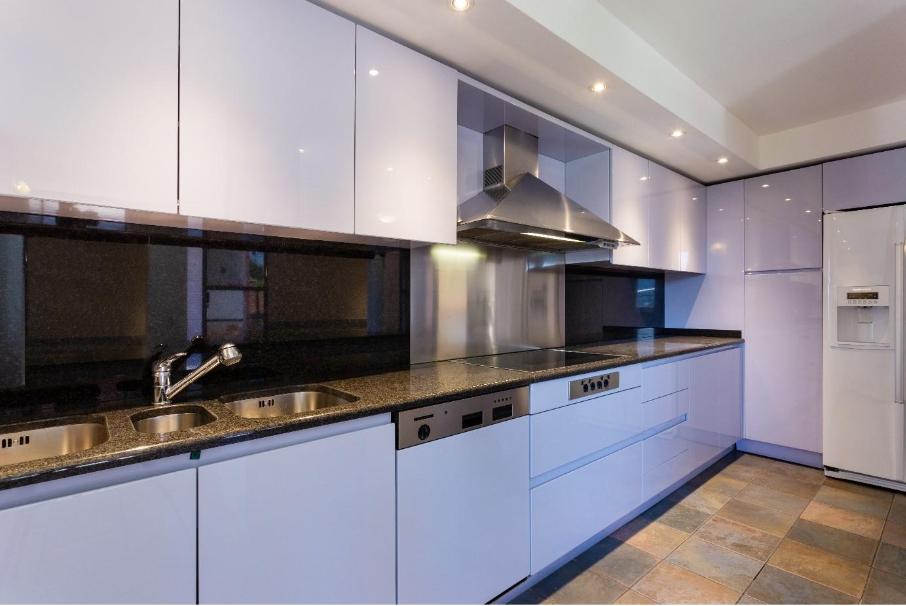
Strategically positioned spotlights can transform your kitchen, particularly in smaller or darker spaces. Mounted flush to the ceiling or installed as adjustable wall fittings, spotlights provide an even distribution of light across your kitchen space.
Kitchen spotlights are particularly effective when paired with lighter wall shades and matt white ceilings. Use spotlights to highlight architectural details, create task lighting or create a focal point in recessed areas. Unlike recessed downlights, spotlights are usually visible and can become a key feature of your overall kitchen design.
6. Profile Lights
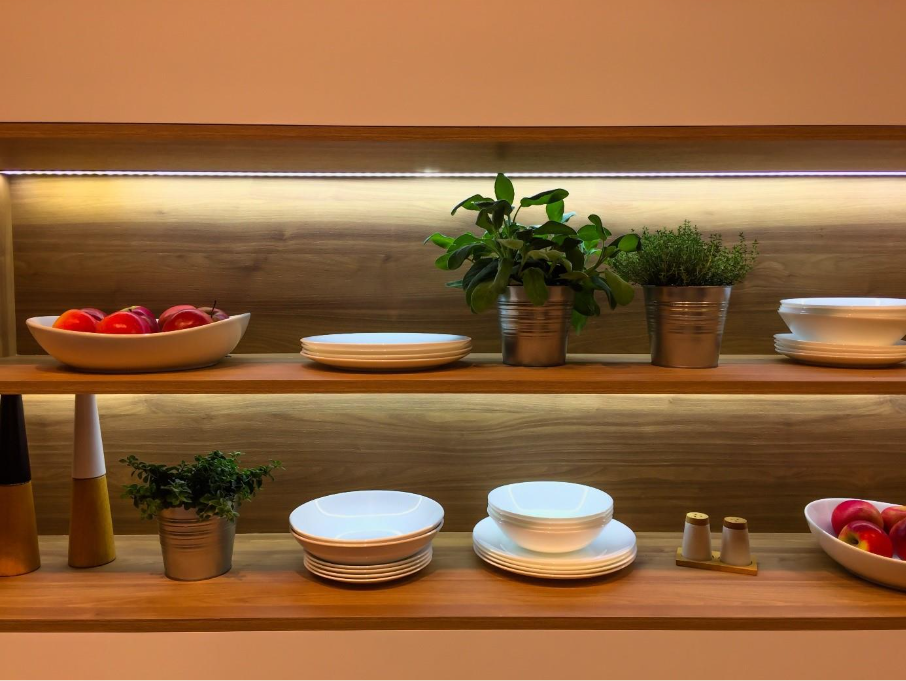
When planning your lighting, consider the entire room, including floor-level illumination. Cabinet plinths and the base of a kitchen island are perfect for sleek profile lighting, adding ambience and transforming the overall atmosphere of your space.
Profile lights often use aluminium fittings or profiles to house LED strips, providing a neat, streamlined solution to kitchen lighting. Not only that, but these profiles protect your lighting from dirt and damage and deliver a good balance of light and design.
Need Help with Your Ideal Kitchen Lighting Plan?
If you’re looking for advice about your kitchen lighting plan, contact us today to arrange a FREE design consultation and no obligation quote.