
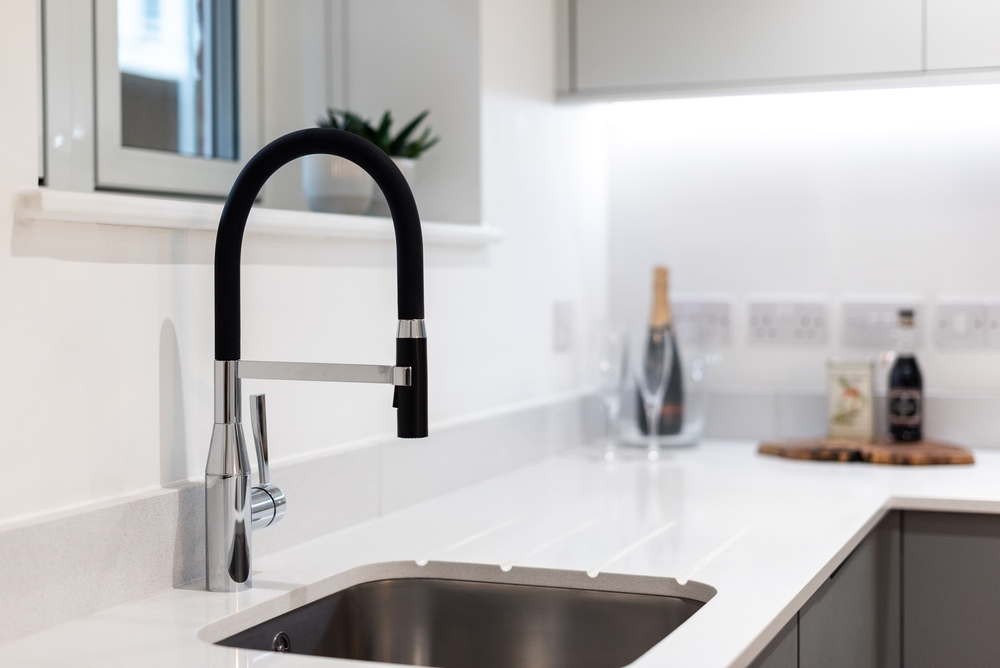
Choosing the right countertop material is one of the biggest decisions you’ll make when designing or renovating your kitchen or bathroom. Quartz, granite and marble are three of the most popular options.
However, they differ significantly in cost, durability, maintenance and overall look.
In this guide, we’ll compare quartz countertops vs granite vs marble in detail, helping you decide which surface best suits your home, lifestyle and design preferences.
What is quartz?
Quartz countertops are engineered surfaces made from natural quartz crystals combined with resins and pigments. This manufacturing process creates a highly durable, non-porous material designed for everyday use in busy homes.
Pros of quartz countertops
- Very low maintenance
Quartz does not need sealing, polishing or special cleaners. A simple wipe with warm water and mild detergent is usually enough to keep it looking new.
- Excellent stain resistance
Because quartz is non-porous, liquids such as wine, oil and coffee do not soak into the surface, making staining far less likely than with natural stone.
- Highly durable and impact-resistant
Quartz resists chips and scratches better than marble and many granites, making it well-suited to kitchens that see heavy daily use.
- Consistent appearance
Engineered manufacturing means predictable colour and patterning, which is ideal for large kitchens or open-plan spaces where visual consistency matters.
- Hygienic surface
The non-porous structure limits bacteria and mould growth, making quartz a popular choice for family kitchens and food-prep areas.
Cons of quartz countertops
- Limited heat resistance
Quartz can be damaged by very high temperatures, so placing hot pans directly on the surface is not recommended.
- Less natural character
Some homeowners feel quartz lacks the depth and uniqueness of natural stone, particularly when compared with high-variation granite or marble.
- Some quartz brands are UV resistant, others are not
Prolonged exposure to direct sunlight can cause some quartz surfaces to fade, making it less suitable for outdoor kitchens or sun-drenched spaces.
What is granite?
Granite is a natural igneous stone quarried in large slabs and polished for use as countertops. Each slab is unique, with natural mineral patterns that add character and depth.
Pros of granite countertops
- Excellent heat resistance
Granite can withstand high temperatures, allowing hot pans to be placed directly on the surface without damage.
- Natural durability
Granite is extremely hard and resistant to chips and cracks, especially when properly installed and maintained.
- Unique appearance
No two granite slabs are the same, giving kitchens a distinctive, organic look that engineered materials can’t fully replicate.
- Adds perceived value
Granite is widely recognised as a premium material and can enhance a home’s appeal to buyers.
- Works across design styles
Granite suits traditional, modern and transitional kitchens depending on colour and finish.
Cons of granite countertops
- Requires regular sealing
Granite is porous and needs sealing every one to two years to prevent staining and moisture absorption.
- Can stain if neglected
Without proper sealing, liquids like oil and wine can penetrate the surface.
- Variation can be unpredictable
Natural patterning means slabs may differ more than expected, which can be a drawback for those seeking uniformity.
- Heavy and requires specialist installation
Granite requires professional installation and strong cabinetry support due to its weight.
What is marble?
Marble is a metamorphic stone formed under intense heat and pressure, valued for its soft veining and luxurious finish. It is often chosen for its visual impact rather than practicality.
Pros of marble countertops
- Timeless, high-end aesthetic
Marble offers unmatched elegance and is strongly associated with luxury kitchens and classic interiors.
- Unique veining and movement
Natural veining creates a one-of-a-kind surface that changes beautifully over time.
- Naturally cool surface
Marble stays cooler than other stones, making it ideal for baking and pastry preparation.
- Ages with character
Some homeowners appreciate the patina marble develops, seeing wear as part of its charm.
Cons of marble countertops
- High maintenance requirements
Marble needs frequent sealing and careful cleaning to maintain its appearance.
- Prone to staining and etching
Acidic substances like lemon juice, vinegar and wine can permanently mark the surface.
- Softer than granite and quartz
Marble scratches and chips more easily, especially in high-traffic kitchens.
- Less practical for daily use
Marble is better suited to low-use areas, statement islands or bathrooms rather than busy family kitchens.
Quartz vs granite vs marble: At-a-glance comparison
When comparing quartz, granite and marble countertops, the key differences come down to how the material is made, how it performs in daily use, and how much upkeep it requires over time.
The table below highlights the most important factors to consider, helping you quickly narrow down which countertop material best suits your home, lifestyle and design priorities.
| Feature | Quartz | Granite | Marble |
| Material type | Engineered stone | Natural stone | Natural stone |
| Average cost | Medium–High | Medium | High |
| Durability | Very high | High | Medium |
| Maintenance | Low | Medium | High |
| Stain resistance | Excellent | Good (when sealed) | Poor |
| Heat resistance | Moderate | Excellent | Moderate |
| Visual variation | Low–Medium | High | High |
| Best for | Busy homes & kitchens | Versatile all-round use | Luxury & statement spaces |
How much do quartz, granite and marble countertops cost?
Price is often one of the first considerations when choosing a countertop, but costs can vary widely depending on the material and finish.
- Quartz: Mid-to-high price range, with consistent pricing due to manufacturing
- Granite: Wide price range depending on rarity and origin
- Marble: Typically the most expensive option, especially for premium slabs
While marble often has the highest upfront cost, quartz can offer better long-term value due to lower maintenance and repair needs.
Which countertop material Is the most durable and long-lasting?
Durability affects how well a countertop stands up to daily use, from cooking and cleaning to accidental knocks and spills.
- Quartz: The most durable overall, resisting chips, scratches and stains
- Granite: Performs exceptionally well against heat and impact
- Marble: More vulnerable to surface damage and requires careful use
All three materials can last decades, but quartz generally maintains its appearance with the least effort.
How much maintenance and cleaning do these countertops require?
Different countertop materials require different levels of care, which can influence how practical they are for everyday living.
- Quartz: Simple daily cleaning with mild soap and water; no sealing required
- Granite: Regular cleaning plus periodic sealing to prevent stains
- Marble: Gentle cleaners only, frequent sealing, and immediate spill cleanup
If low maintenance is a priority, quartz is the clear winner.
Which countertop looks best for your home’s style?
Visual appeal plays a major role in countertop choice, but each material suits different interior styles and design preferences.
- Quartz: Modern, minimalist or contemporary homes
- Granite: Traditional and transitional designs
- Marble: Luxury, classic or statement spaces
Many homeowners choose marble-effect quartz to combine elegant veining with practical performance.
Looking for bespoke kitchen worktops? KNB can help
At KNB Kitchens, we pride ourselves on delivering beautifully-designed, expertly-installed home improvements – from worktops and storage to installing bespoke kitchens and bathrooms tailored to your home.
Our expert team can help you plan, design and install your new kitchen worktop with precision and care, guaranteeing lasting quality.
Contact us today to discuss your project or explore our full range of products and services. Unlock your kitchen’s full potential with KNB.